
When traditional options fall short, practical paths still exist to move forward. Facing financial pressure or rising expenses, these tools are designed to help you earn more, save more, and regain control.
You deserve options that work. From income opportunities that use what you already have to programs that ease everyday costs, these resources help you take action, find stability, and move ahead with confidence.
Credit
-

He Waited Out the Seven Years Before Applying. The Job Paid $75,000, Which Is Exactly What Turns the Clock Off.
Daniel waited seven years before applying for a mortgage. The job on his application paid $75,000, which is exactly what turns the seven-year rule off.
-

Experian Boost Added 14 Points to His FICO Score 8. The Mortgage Lender Pulled Classic FICO, a Model It Never Touches.
Alternative data can lift a FICO Score 8 by double digits, but most mortgage pulls never see it. Here is the score band where the trade is worth making, and where it changes nothing.
-

Two Scoring Models Now Read 24 Months of Your Balances. A One-Month Paydown Does Not Fool Them.
Two scoring models judge which way your balances have been moving for two years. One is already approved for mortgages sold to Fannie Mae and Freddie Mac, on a limited basis.
-

The Pay-for-Delete Letter Still Works on This $850 Medical Collection: The Sequence That Gets It in Writing First
A verbal promise to delete a collection is worth nothing once your check clears. Here is the ordered letter sequence that gets the agreement in writing first.
Money
-

Her Car Needed a $780 Repair by Friday. The Call Center Named the Hardship Withdrawal and Skipped the $1,000 Option That Needed Nothing But Her Signature.
A 2022 federal law created a fourth way into your own 401(k), one that skips the paperwork a hardship withdrawal demands, and most benefits call centers never mention it by name.
-

You Have $6,000 on a Card at 22 Percent, a 50-Cent 401(k) Match, and No Emergency Fund: The Order That Actually Protects You
A 50-cent employer match beats even a 22 percent card for every matched dollar. The real question is what to do with every dollar after that, and a starter emergency fund changes the order.
-
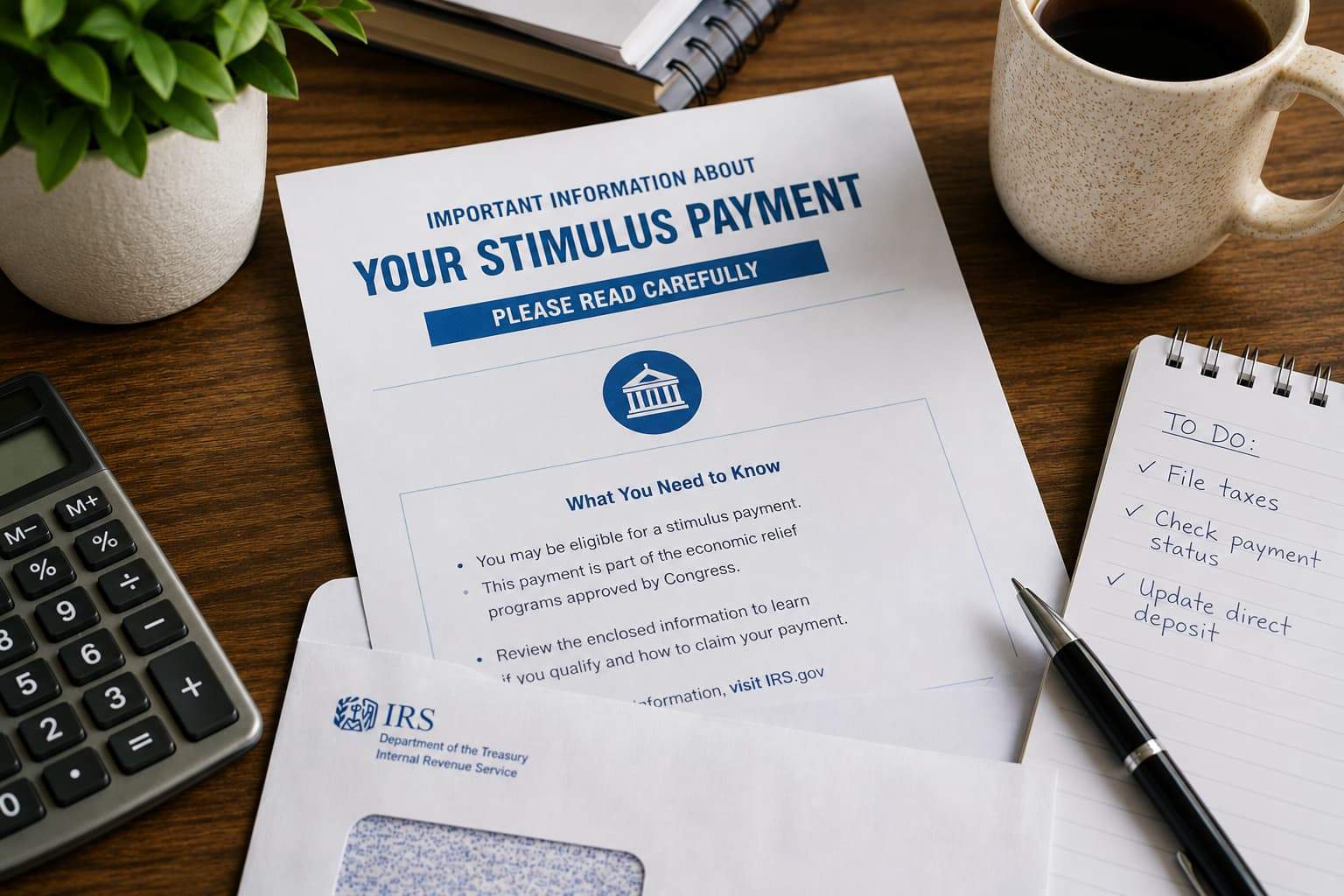
How to Claim Stimulus Money and Tax Credits You May Be Owed
If you think you received every dollar of pandemic-era relief you were entitled to, it may be worth taking a second look. Millions of Americans left stimulus payments, expanded tax credits, and recovery funds on the table — sometimes because they never filed a return, sometimes because of eligibility errors that were later corrected, and sometimes simply because they did…
Health
-

The Cheaper Plan Had a $1,400 Lower Deductible. Her Drug Sat on a Tier That Charged 30 Percent Until the Out-of-Pocket Max.
Priya picked the plan with the $500 deductible over the one with $1,900. Her specialty drug’s 30% coinsurance cost her thousands more than the deductible ever would have.
-

The Cap on Paying Back an ACA Subsidy Is Gone. Your November Income Estimate Is Now the Whole Bet.
Renata takes $712 a month in advance subsidy on a $61,000 income estimate. The cap that used to limit an overshoot is gone, and the 400% cliff is back.
-

You Know the Surgery Is Coming in March: HSA or FSA, Decided by What Happens If You Leave the Job First
A knee replacement is booked for March and open enrollment closes Friday. The forfeiture rule is not what decides this. What happens to the money if the job ends in June is.