
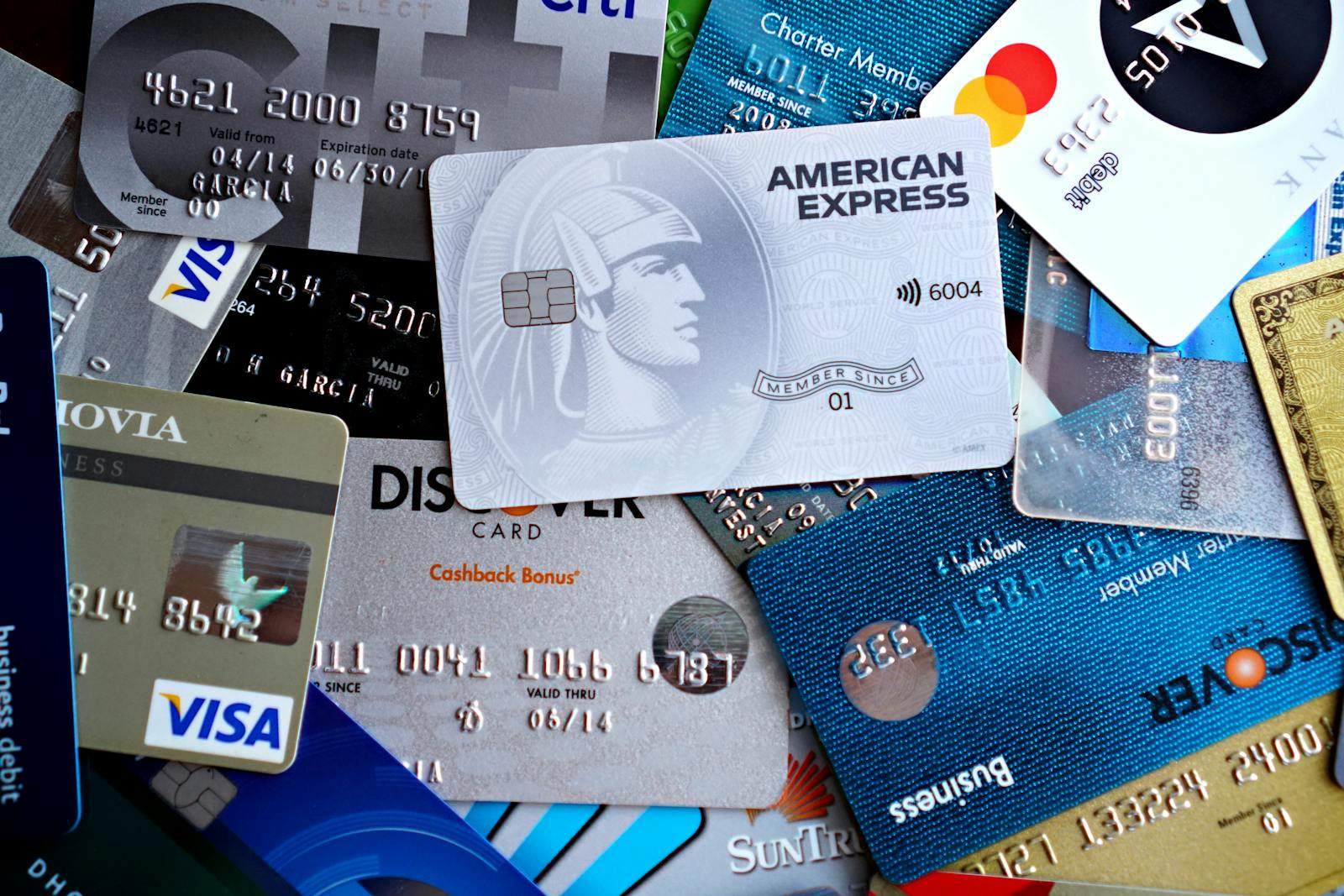
Credit cards are powerful financial tools, but not all cards are created equal. Understanding the difference between secured and unsecured credit cards helps you choose the option that fits your financial situation. Each type has unique requirements, benefits, and drawbacks.
Credit cards influence credit scores, borrowing power, and financial flexibility. Choosing the right type of card can accelerate credit building or provide access to rewards and higher limits. Misunderstanding the differences may lead to unnecessary costs or missed opportunities.
What secured credit cards are
Secured credit cards require a cash deposit as collateral. The deposit usually equals the credit limit. For example, a $500 deposit provides a $500 limit. The deposit protects the lender, making secured cards accessible to individuals with limited or damaged credit histories.
Secured cards function like regular credit cards. Purchases, payments, and interest charges work the same way. Responsible use builds positive payment history, which improves credit scores over time.
Advantages of secured cards include accessibility and the opportunity to rebuild credit. They provide a safe entry point for beginners or those recovering from financial setbacks. The main drawback is the deposit requirement, which ties up funds until the account is closed or upgraded.
What unsecured credit cards are
Unsecured credit cards do not require deposits. Approval depends on credit history, income, and other financial factors. These cards often provide higher limits, rewards programs, and additional perks such as travel insurance or purchase protection.
Unsecured cards are the standard in the market. They offer convenience and flexibility but require stronger credit profiles. Applicants with poor credit may face denials or high interest rates.
Advantages of unsecured cards include broader acceptance, rewards opportunities, and higher limits. Drawbacks include stricter approval requirements and potential for higher fees if credit scores are low.
Card type comparison in practice
Exploring card type comparison highlights the trade‑offs between secured and unsecured cards. Secured cards provide accessibility and credit‑building opportunities, while unsecured cards deliver rewards and flexibility. The choice depends on your current credit profile and financial goals.
Costs and fees
Both secured and unsecured cards may charge annual fees, interest rates, and penalties for late payments. Secured cards sometimes have higher fees because they target riskier borrowers. Unsecured cards may offer no‑fee options, but interest rates can still be high for those with weaker credit.
Careful review of terms and conditions prevents surprises. Comparing fees, interest rates, and benefits ensures that you select the most cost‑effective option.
Building credit with secured cards
Secured cards are designed to build or rebuild credit. Making small purchases and paying balances in full each month demonstrates responsibility. Over time, lenders may upgrade secured accounts to unsecured cards, returning the deposit and increasing limits.
Credit bureaus treat secured cards the same as unsecured cards. Positive payment history and low utilization improve scores regardless of card type.
Maximizing unsecured card benefits
Unsecured cards often include rewards programs. Cash back, travel points, and discounts provide value when used responsibly. Maximizing benefits requires paying balances in full to avoid interest charges.
Unsecured cards also offer perks such as extended warranties, fraud protection, and rental car coverage. These features add convenience and security.
Choosing based on goals
The decision between secured and unsecured cards depends on your financial goals. If you need to build or repair credit, secured cards provide a reliable path. If you already have strong credit, unsecured cards offer rewards and higher limits.
Consider your ability to manage deposits, fees, and interest. Aligning card choice with long‑term goals ensures that the card supports your financial journey.
Transitioning from secured to unsecured
Many lenders allow secured cardholders to transition to unsecured cards after demonstrating responsible use. This process often includes returning the deposit and increasing the credit limit. Transitioning provides access to rewards and perks while maintaining positive credit history.
Patience and consistency are key. Building credit takes time, but secured cards provide a structured path toward unsecured options.
Avoiding pitfalls
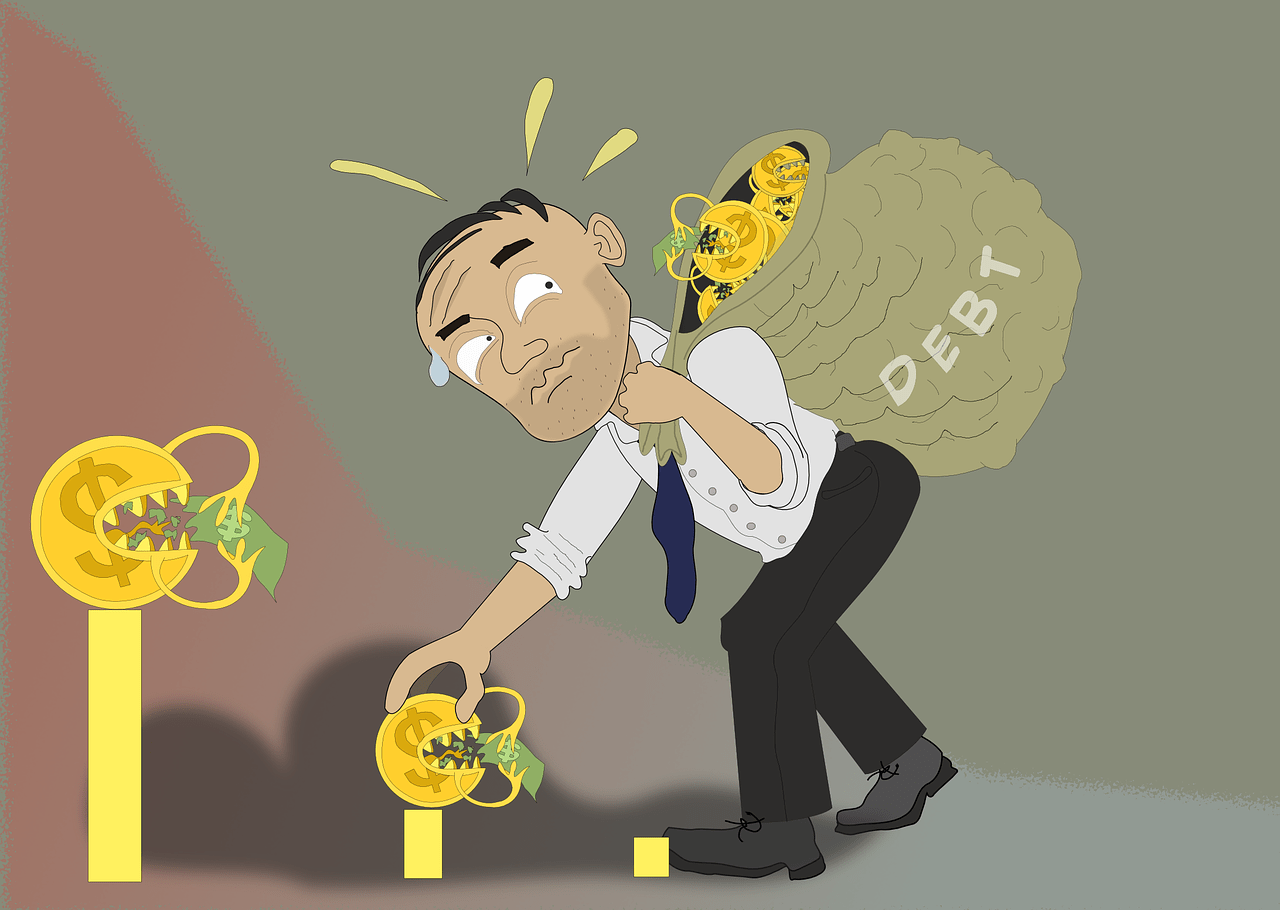
Common mistakes include carrying high balances, missing payments, and ignoring fees. These behaviors damage credit and reduce the benefits of both card types. Responsible management ensures that cards remain tools for growth rather than sources of debt.
Budgeting, monitoring statements, and setting reminders prevent errors. Treating credit cards as financial tools rather than sources of extra income keeps debt under control.
Lifestyle considerations
Credit cards should fit into broader financial habits. Secured cards work best for those starting out or recovering from setbacks. Unsecured cards fit individuals with established credit who want to maximize rewards.
Lifestyle factors such as travel, online shopping, or frequent dining influence which card provides the most value. Matching card features to spending habits ensures that benefits align with everyday life.
Monitoring progress
Regardless of card type, monitoring credit reports and scores is essential. Tracking progress shows how responsible use improves credit. Monitoring also alerts you to errors or fraud that could damage your profile.
Regular reviews reinforce accountability. They also provide motivation as you see scores rise and opportunities expand.
Secured and unsecured credit cards serve different purposes. Secured cards provide accessibility and credit‑building opportunities, while unsecured cards deliver rewards and flexibility. Understanding the differences ensures that you choose the card that supports your financial goals. With careful management, lifestyle alignment, and consistent monitoring, both types of cards can strengthen your credit profile and expand your financial options.



Leave a Reply