
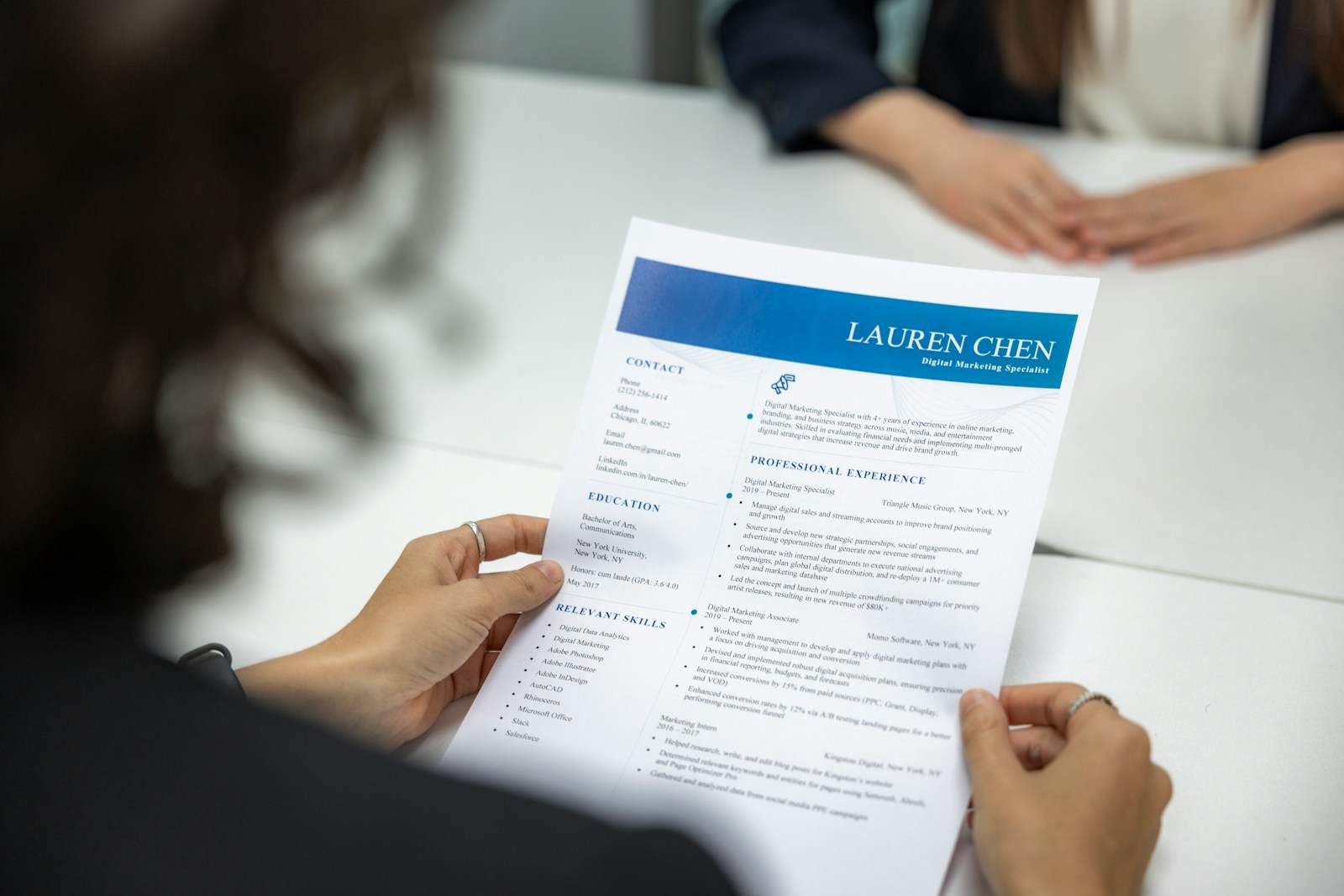
A resume is often the first impression that a potential employer receives. Experienced professionals know that even small errors can reduce the chances of securing an interview. Understanding common mistakes and learning how to avoid them is essential for presenting a polished and effective document. This article explores the most frequent resume pitfalls and provides guidance on how to correct them.
Overloading With Irrelevant Information
One mistake involves including every job or project regardless of relevance. Employers prefer resumes that highlight experiences directly connected to the role. Adding unrelated details distracts from key qualifications and makes the document harder to read. Focus on positions that demonstrate skills aligned with the job description.
Using Generic Templates Without Customization
Another issue arises when applicants rely on generic templates without tailoring content. A resume should reflect personal achievements and unique strengths. Employers quickly recognize when a document looks identical to many others. Customizing layout and language ensures that the resume stands out while remaining professional.
Failing To Quantify Achievements
Resumes that list responsibilities without measurable results appear weak. Employers want evidence of impact, such as revenue growth, cost savings, or project completion rates. Including numbers and percentages demonstrates value clearly. For example, stating that a campaign increased engagement by 30 percent is more persuasive than simply noting participation.
Poor Formatting Choices
Formatting errors reduce readability and create a negative impression. Common problems include inconsistent fonts, uneven spacing, and excessive use of bold or italics. A clean design with consistent formatting helps employers scan quickly. Attention to detail in presentation reflects professionalism and care.
Overuse Of Buzzwords
Buzzwords such as “team player” or “hard worker” add little value. Employers prefer concrete examples that show these qualities in action. Instead of stating that you are detail-oriented, describe a project where accuracy was critical and successfully maintained. Avoiding empty phrases strengthens credibility.
Ignoring Keywords From Job Descriptions
Many companies use applicant tracking systems to filter resumes. Failing to include relevant keywords reduces the chance of passing initial screening. Carefully review the job description and integrate important terms naturally. This approach improves visibility and demonstrates alignment with employer needs.
Including Personal Details That Are Not Needed
Resumes should not contain unnecessary personal information such as age, marital status, or unrelated hobbies. Employers focus on professional qualifications and achievements. Adding personal details may create bias or distract from relevant content. Keep the document professional and concise.
Submitting Without Proofreading
Spelling and grammar errors are among the most damaging mistakes. Employers often interpret them as signs of carelessness. Proofreading carefully and using tools to check accuracy is essential. Reading the document aloud can help identify awkward phrasing or overlooked mistakes.
Using One Resume For Every Application
Sending the same resume to multiple employers without adjustments reduces effectiveness. Each role requires highlighting different skills and experiences. Tailoring content shows genuine interest and effort. Employers notice when a resume directly addresses their specific requirements.
Neglecting To Update Regularly
Resumes that remain unchanged for years fail to reflect current skills and achievements. Updating regularly ensures that new experiences and certifications are included. Employers value candidates who demonstrate growth and continuous learning. A current resume signals readiness for new opportunities.
Focusing Only On Duties Instead Of Results
Listing duties without showing outcomes makes a resume appear passive. Employers want to know how responsibilities translated into success. For example, instead of writing “managed social media accounts,” describe how engagement increased or followers grew. Results demonstrate effectiveness and initiative.
Using Unprofessional Email Addresses
An email address that appears casual or outdated can harm credibility. Employers expect professional contact information. Creating a simple address with your name ensures clarity and respectability. Small details like this contribute to overall impression.
Leaving Out Contact Information
Some applicants forget to include complete contact details. Employers need phone numbers, email addresses, and sometimes LinkedIn profiles to reach candidates. Missing information delays communication and may result in lost opportunities. Always verify that contact details are accurate and visible.
Making The Resume Too Long
Resumes that exceed two pages often overwhelm employers. Concise documents highlight the most important achievements without unnecessary detail. Experienced professionals should focus on accomplishments from the past ten years unless older experiences are highly relevant. Brevity demonstrates clarity and confidence.
Avoiding resume mistakes requires attention to detail, customization, and clear communication. Employers value documents that highlight achievements, use professional formatting, and align with job descriptions. Proofreading, updating regularly, and tailoring content for each application are essential steps. By applying these practices, candidates improve their chances of securing interviews and advancing careers.
A resume is more than a list of jobs; it is a marketing tool that represents professional identity. Mistakes such as poor formatting, irrelevant details, or lack of measurable results reduce effectiveness. Correcting these issues ensures that employers see the best version of your qualifications. With careful preparation and awareness, applicants can apply resume writing strategies that strengthen their documents and increase interview opportunities.



Leave a Reply