

7 min read · Last updated July 13, 2026
- File a furnisher dispute and a bureau dispute on the same day. Filing one, waiting 30 days, then filing the other wastes the time you don’t have.
- Furnishers and bureaus each get 30 days under the Fair Credit Reporting Act to investigate, but a lender-ordered rapid rescore can cut the final step to 3 to 5 business days once the correction is confirmed.
- Call your loan officer the same day you find the error. Ask your lender whether a rate-lock extension is available for a documented dispute; policies vary.
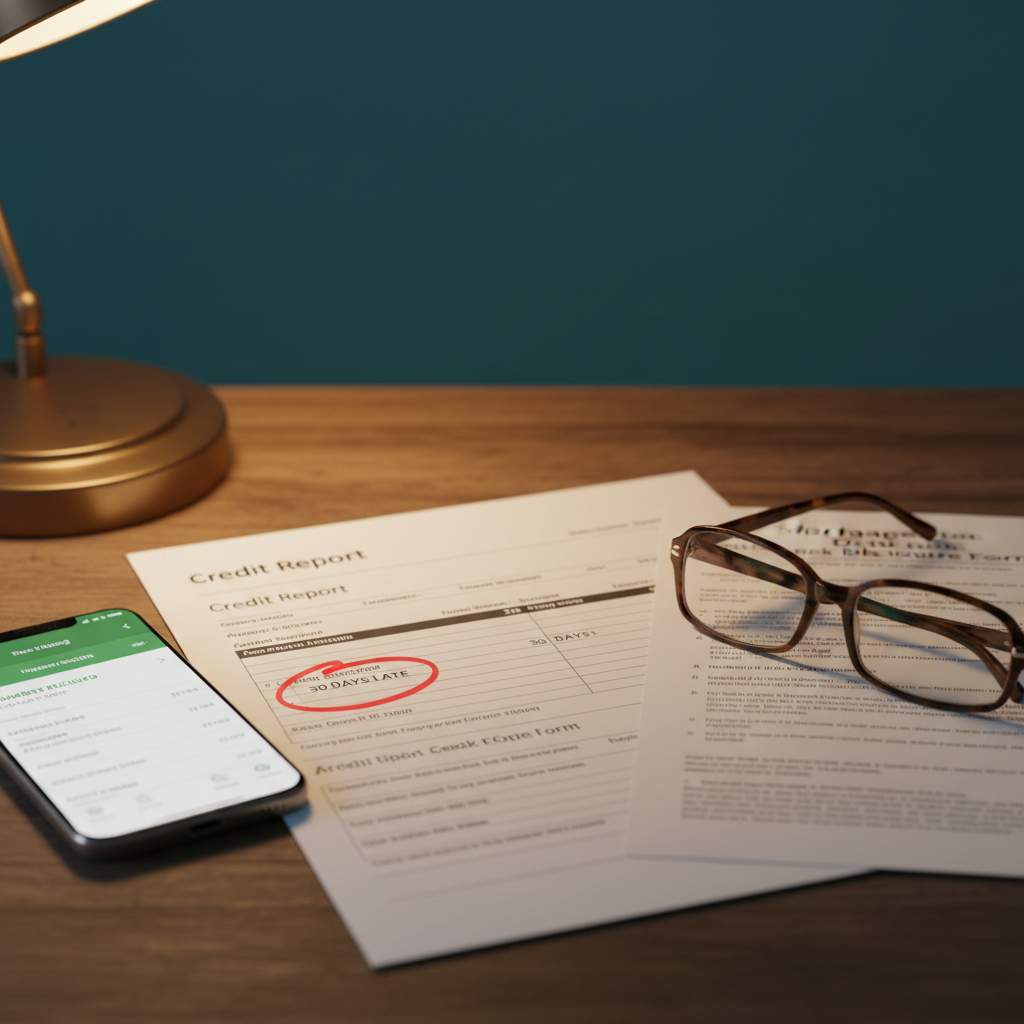
- One wrong “30 days late” entry can cost 40 to 100 points, enough to move you a full pricing tier on a mortgage.
In this article
- Confirm the error before you dispute anything
- File with the furnisher and the bureau on the same day
- Use the dispute to buy time on your rate lock
- If the 30-day clock runs out first: order a rapid rescore
- FAQ
Marcus is five weeks from locking a 6.1% mortgage rate when his score drops 40 points overnight. His auto lender reported his March payment as 30 days late, even though the automatic payment cleared his checking account on the due date. The loan had changed servicers two weeks earlier, and the new servicer’s system never picked up the payment history correctly. Marcus did nothing wrong, and his file says otherwise.
This happens more than people think, especially when a loan is sold to a new servicer, a repayment plan changes, or a payment posts a day after a reporting cutoff. The fix itself is not complicated. What decides whether it’s resolved before your rate lock expires, or after your closing date has already passed, is the order you work it in.
Confirm the error before you dispute anything
Before you file anything, pull the specific account’s history two ways. Get your free report at annualcreditreport.com and find the exact date the late payment was reported — knowing how to read your credit report makes it much faster to spot exactly where an error like this shows up. Then pull your own bank or loan statement showing the payment actually cleared. You want three things on hand: the account number, the date you paid, and the date the furnisher claims you paid.
If you were on autopay, save the confirmation email or the transaction record from your bank app. If the loan changed servicers around the time of the error, note the transfer date specifically. Servicing transfers are the single most common cause of a payment showing late that was never actually late, because the old servicer’s records don’t always sync cleanly into the new system.
This step takes about an hour. Skipping it is the mistake that costs people the most time, because a dispute filed without proof gets a form-letter denial in 30 days instead of a correction in one week. Bring the proof first, then dispute.
File with the furnisher and the bureau on the same day
Most people dispute with one bureau, wait a month for a form response, and only then try the furnisher. That order burns the one resource you don’t have much of: time before your rate lock expires.
File both the same day. Send a written dispute to the furnisher, the auto lender in Marcus’s case, referencing the specific payment date and attaching your proof. Separately, dispute the same item with whichever bureau or bureaus show it, through their online portal, so you get a case number immediately. Disputing errors on your credit report walks through the exact fields each bureau portal asks for.
Both the furnisher and the bureau must complete their investigation within the Fair Credit Reporting Act’s 30-day reinvestigation window. Filing together does more than save time. It creates two independent case files. If the bureau clears the item first but the furnisher’s own records still show it late, you already have a second active complaint moving instead of starting from zero.
| Dispute channel | Typical speed | Cost | Best for |
|---|---|---|---|
| Furnisher direct dispute | Up to 30 days, often faster with clear proof | Free | Getting the entity that reported the error to correct its own records |
| Bureau dispute (online portal) | Up to 30 days | Free | Creating an independent case number and paper trail |
| CFPB complaint | Often escalates within days once filed | Free | When the furnisher or bureau ignores or denies documented proof |
| Rapid rescore (lender-ordered) | 3 to 5 business days | a fee that varies by lender | Compressing the last step once the correction is already agreed to |
Use the dispute to buy time on your rate lock
Call your loan officer the same day you find the error, not after the dispute resolves. Tell them you’ve identified a reporting error, that you’ve already filed disputes with both the furnisher and the bureau, and ask for a rate-lock extension. Ask your lender whether a rate-lock extension is available; policies vary once you show a documented dispute in progress, often for a small fee or none at all when the error clearly is not yours.
This one phone call is the difference between a five-week deadline and an eight-week deadline. Underwriters see reporting disputes regularly. What moves things forward is your case number and a copy of what you filed, not a long explanation of how the error happened.
Ask specifically whether the extension is free or has a fee attached, and get the new lock expiration date in writing. Verbal extensions get lost when a loan file changes hands between processors.
If the 30-day clock runs out first: order a rapid rescore
If your rate lock is tighter than 30 days and the standard dispute hasn’t resolved yet, ask your loan officer about a rapid rescore. This is a paid service, typically a fee that varies by lender, that your lender orders directly with the bureau once you have documentation that the furnisher has agreed to correct the entry. It can update your file in 3 to 5 business days instead of the standard 30.
A rapid rescore only works once the furnisher has confirmed the correction in writing, or the bureau has already accepted your proof. It is not a shortcut around the dispute process. It compresses the last mile once the correction is already agreed to. If your loan officer hasn’t brought it up, ask directly. Not every lender offers it by default, and some only think to mention it after the deadline has already slipped.
Once the score updates, keep an eye on the account for 60 days. Reporting errors from servicing transfers sometimes resurface if the old servicer’s data wasn’t fully purged from the new system. If it reappears, file the same pair of disputes again immediately since your proof and case numbers are already on hand.
If you’re also watching utilization on the same loan while this resolves, our guide on utilization timing before a loan closes covers the balance-payment side of the same 30-day window. And if the item in question is an old collection rather than a servicer error, disputing a paid versus open collection uses a similar same-day filing approach.
FAQ
Will disputing an error pause my mortgage application? No. A dispute in progress does not freeze your application by itself. It’s the rate lock expiration that creates the deadline, which is why calling your loan officer the same day matters more than the dispute filing itself.
What if the furnisher denies the error even with proof? File a complaint with the Consumer Financial Protection Bureau and attach the same documentation. CFPB complaints route directly to the company’s compliance team rather than a general dispute queue, and companies typically respond within 15 days once a federal complaint is open.
Does a rapid rescore work if the furnisher hasn’t responded yet? No. A rapid rescore requires the furnisher to have already agreed to the correction, either in writing or reflected in an updated bureau file. It speeds up the reporting of a confirmed fix, not the investigation itself.
Can I ask for a rate-lock extension before I have proof the error is fixed? Yes, and you should. Extensions are typically granted based on a documented dispute in progress, not a completed one. Waiting until the correction lands before asking is the version of this mistake that costs people their rate.
How do I know if a servicing transfer caused the error? Check the date on your original loan statement for a transfer notice, usually mailed or emailed 15 to 30 days before the switch. If the late mark lines up with that window, a transfer error is the most likely cause, and both the old and new servicer’s names should be included in your dispute.