
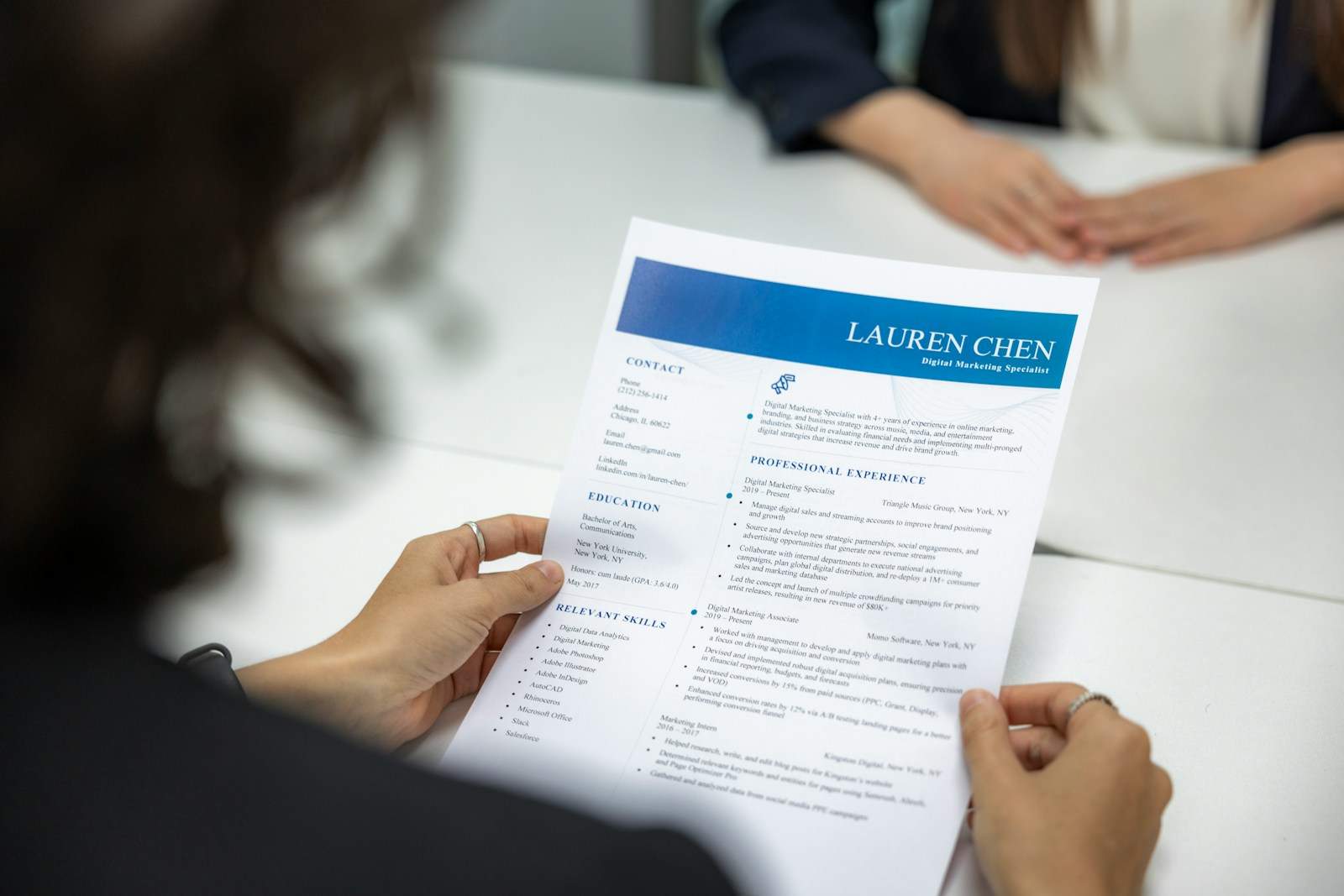
A resume is often the first impression you make with an employer. It is more than a list of jobs and dates. It is a document that shows your skills, your achievements, and your potential. Writing a winning resume means presenting yourself clearly and confidently so that hiring managers see you as the right fit. Let’s walk through the steps together in a way that feels practical and approachable.
Start with a clear structure
A resume should be easy to read at a glance. Employers spend only a few seconds scanning each one before deciding whether to continue. Use a simple layout with sections for contact information, summary, work experience, education, and skills. Keep margins balanced and fonts professional. Avoid clutter that distracts from the content.
Write a strong summary
The summary at the top of your resume is your chance to highlight your value. Think of it as a short introduction that explains who you are and what you bring to the table. Use two to three sentences that focus on your strengths and career goals. Keep it specific, not vague. A clear summary sets the tone for the rest of the document.
Highlight achievements, not just duties
Listing job responsibilities is common, but achievements make you stand out. Instead of saying “responsible for managing a team,” write “led a team of five to complete projects ahead of schedule.” Numbers, percentages, and measurable results add credibility. Employers want to see impact, not just tasks.
Tailor your resume to each job
A winning resume is not one‑size‑fits‑all. Adjust your content to match the requirements of each position. Use keywords from the job description and emphasize skills that align with the role. This shows that you took the time to understand the employer’s needs. Tailoring increases your chances of passing applicant tracking systems and catching a recruiter’s attention.
Keep language simple and direct
Resumes should be easy to understand. Avoid jargon or overly complex phrases. Use action verbs like “led,” “created,” “managed,” and “developed.” Keep sentences short and focused. Employers appreciate clarity because it saves them time. Simple language also makes your resume more accessible to a wider audience.
Organize work experience effectively
Work experience is the core of most resumes. List positions in reverse chronological order, starting with the most recent. Include job title, company name, location, and dates. Under each role, add bullet points that describe achievements and responsibilities. Keep each point concise and impactful. Focus on skills that transfer to the new role.
Include relevant skills
Skills sections help employers see your strengths quickly. List technical skills, software knowledge, and soft skills that matter for the job. Do not overload the section with every skill you have ever learned. Choose the ones that match the position and demonstrate your ability to succeed.
Education and certifications
Education is important, but it should not overshadow work experience unless you are just starting out. List degrees, schools, and graduation dates. Add certifications that strengthen your qualifications, especially if they are relevant to the role. Keep this section clear and straightforward.
Formatting matters
A resume that looks clean and professional makes a strong impression. Use consistent fonts, spacing, and alignment. Avoid bright colors or unusual designs unless you are in a creative field. Employers value readability above all. Explore resume formatting tips to refine layout choices and ensure your document looks polished.
Proofread carefully
Errors can ruin an otherwise strong resume. Spelling mistakes, grammar issues, or inconsistent formatting suggest carelessness. Proofread multiple times and ask a friend to review it. Reading aloud helps catch mistakes that you might miss on screen. A flawless resume shows attention to detail.
Keep length appropriate
Most resumes should be one page, especially for early career professionals. Experienced candidates may need two pages, but avoid going longer. Employers prefer concise documents that highlight the most important information. Cut unnecessary details and focus on achievements that matter.
Use technology wisely
Online tools can help with resume building, but do not rely on them completely. Templates provide structure, but your content must be unique. Applicant tracking systems scan resumes for keywords, so make sure your document is optimized. Save your resume as a PDF to preserve formatting when sending it electronically.
Build confidence through preparation
Writing a resume can feel overwhelming, but preparation makes it easier. Collect information about past jobs, achievements, and skills before you start. Organize notes into categories and draft bullet points. Once you have everything ready, the writing process flows smoothly. Confidence grows when you know your resume reflects your true strengths.
Common mistakes to avoid
Many resumes fail because they include too much information or lack focus. Avoid listing irrelevant jobs or outdated skills. Do not use casual language or personal details that do not belong in a professional document. Stay away from fancy fonts or graphics that distract from content. Keep your resume professional, clear, and targeted.
A winning resume is not just about getting noticed. It is about showing employers that you are prepared, capable, and ready to contribute. Focus on clarity, achievements, and alignment with the job. Keep formatting professional and proofread carefully. When you follow these steps, your resume becomes more than a document. It becomes a tool that opens doors to new opportunities.




Leave a Reply