

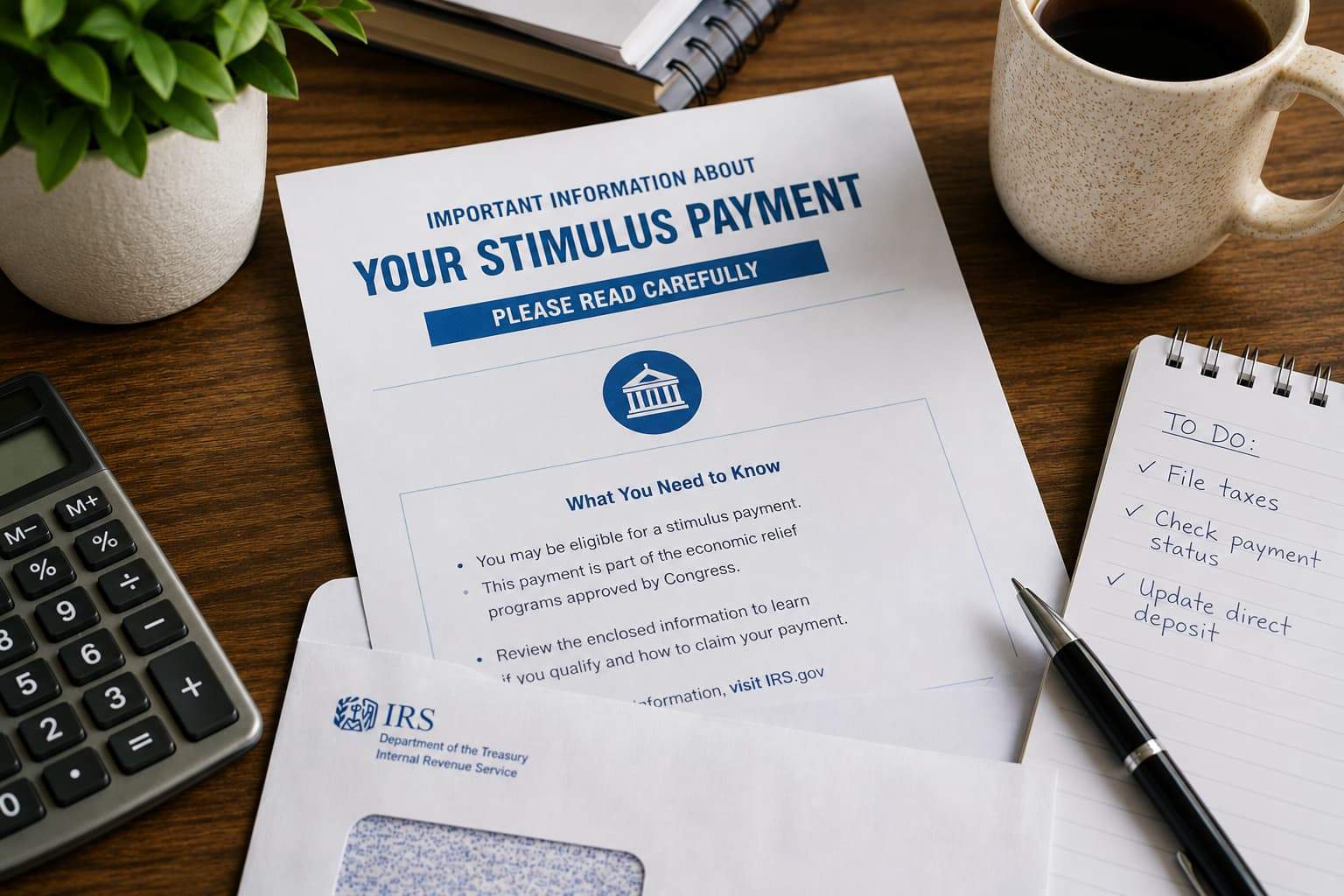
If you think you received every dollar of pandemic-era relief you were entitled to, it may be worth taking a second look. Millions of Americans left stimulus payments, expanded tax credits, and recovery funds on the table — sometimes because they never filed a return, sometimes because of eligibility errors that were later corrected, and sometimes simply because they did not know money was available. The good news is that some of these funds can still be claimed, but the window to do so is shrinking fast.
Why So Many People Are Still Owed Stimulus Money
The federal government distributed several rounds of Economic Impact Payments between 2020 and 2021, along with expanded versions of longstanding tax credits. Not everyone received the correct amount. Some people were underpaid due to outdated income information. Others never received a check because they had not recently filed taxes and the IRS had no record of them. Still others may have become eligible for certain credits after their financial situation changed during the pandemic. Whatever the reason, the money was set aside for qualifying Americans, and unclaimed amounts can often be recovered through the tax filing process.
Types of Unclaimed Stimulus Funds You May Be Able to Collect
There are several distinct programs that could put money back in your pocket. Understanding what each one covers helps you figure out which ones apply to your situation.
Recovery Rebate Credit
The Recovery Rebate Credit applies to the first, second, and third rounds of stimulus checks issued during 2020 and 2021. If you did not receive the full amount for any of those rounds, you can claim the difference by filing or amending your federal tax return for the appropriate year. This credit is claimed directly on your Form 1040 for either 2020 or 2021, depending on which payment you missed.
Expanded Child Tax Credit
For the 2021 tax year, the Child Tax Credit was significantly expanded. Families with children under age 17 could receive up to $3,600 per child depending on age and income. Many eligible families received half of that credit as advance monthly payments throughout 2021, but the remaining half was meant to be claimed when filing a 2021 tax return. If you had qualifying children and never filed for 2021, you may still be owed a substantial refund.
Earned Income Tax Credit
The Earned Income Tax Credit, or EITC, is a refundable credit designed to support low- and moderate-income workers. During the pandemic, many people saw their income drop significantly, which may have made them newly eligible for this credit even if they had not qualified in previous years. The EITC can return hundreds or even thousands of dollars to eligible filers, and importantly, you do not need to owe taxes to receive it since it is fully refundable.
State-Level Relief Programs
Beyond federal programs, a number of states launched their own stimulus or rebate programs during and after the pandemic. These varied widely from state to state in terms of eligibility, payment amounts, and deadlines. If you are unsure whether your state offered a program, check directly with your state’s department of revenue or treasury office, since some unclaimed state-level payments may still be recoverable.
How to Find Out If You Are Owed Money
The most reliable starting point is reviewing your own IRS records. The IRS allows taxpayers to access their account transcripts online at IRS.gov, where you can see a history of payments that were issued under your Social Security number. This makes it straightforward to compare what was sent to you against what you should have received based on your eligibility.
- Log in to your IRS online account at IRS.gov to review your payment history and tax transcripts
- If you did not file a 2020 or 2021 tax return, you will need to file one to claim any missed credits, even if you had little or no income during those years
- Check whether an IRS Non-Filer tool is currently available for submitting a simplified claim
- Contact your state revenue department to ask about any local rebates or refund opportunities that may still be open
What to Do If You Never Filed a Tax Return
One of the most common reasons people miss out on stimulus funds is that they did not file a federal tax return for 2020 or 2021. This matters because stimulus payments and associated credits were tied to your tax filing status. If the IRS had no return on file for you, it may not have been able to determine your eligibility or send a payment. Filing a late return for those years is generally still possible and is often the only way to recover the money you are owed. Even individuals with very low income or no income at all may need to file in order to trigger the credit.
Deadlines Matter — Do Not Wait
Federal tax law sets strict deadlines on how far back you can go to claim a refund or credit. The IRS generally allows three years from the original filing deadline to submit a return and collect a refund. Once that window closes, the funds are typically forfeited and cannot be recovered. This means time is genuinely running out for some of the older pandemic-era payments. Acting sooner rather than later gives you the best chance of receiving everything you are entitled to.
Getting Help With Your Claim
If you are unsure how to file or amend a return, free assistance is available. The IRS Volunteer Income Tax Assistance program, known as VITA, offers no-cost tax preparation help to people who generally earn $67,000 or less per year, as well as to people with disabilities and those with limited English proficiency. AARP Tax-Aide is another free option available to taxpayers of all ages. Both programs connect you with trained volunteers who can help you file accurately and claim every credit you qualify for.
Quick Summary: Steps to Claim Your Unclaimed Stimulus Funds
- Check your IRS account online to see which payments were issued to you
- Identify which credits you may have missed, including the Recovery Rebate Credit, Child Tax Credit, and Earned Income Tax Credit
- File or amend your 2020 and 2021 federal tax returns as needed
- Ask your state revenue department about any local stimulus or rebate programs
- Seek free filing help through VITA or AARP Tax-Aide if you need assistance
- Act before IRS deadlines expire to avoid permanently losing your refund
Pandemic relief programs were created specifically to help American households weather an extraordinarily difficult period. If your payment was missed, underpaid, or never claimed, the money was still set aside for people in your situation. Taking a few steps to check your eligibility and file the right paperwork could result in a meaningful refund — and there is no good reason to leave that money uncollected.