
Reducing household energy costs is not only about saving money; it is also about creating a more comfortable living space and lowering environmental impact. Many upgrades require an upfront investment, but the long‑term savings often outweigh the initial expense. By focusing on practical improvements, you can cut monthly bills while increasing the value of your home.
Start With Insulation
One of the most effective energy bill saving methods is improving insulation. Poorly insulated walls, attics, and floors allow heat to escape in cooler months and let unwanted heat in during warmer months. Adding insulation materials such as fiberglass, cellulose, or spray foam helps maintain consistent indoor temperatures. This reduces the strain on heating and cooling systems, lowering energy use and costs.
Seal Windows and Doors
Drafts around windows and doors are common sources of wasted energy. Simple upgrades like weatherstripping, caulking, or installing energy‑efficient windows can make a noticeable difference. Double‑pane or low‑emissivity glass reduces heat transfer, keeping your home comfortable year‑round. These upgrades pay off quickly because they reduce the need for constant heating or cooling.
Upgrade Lighting
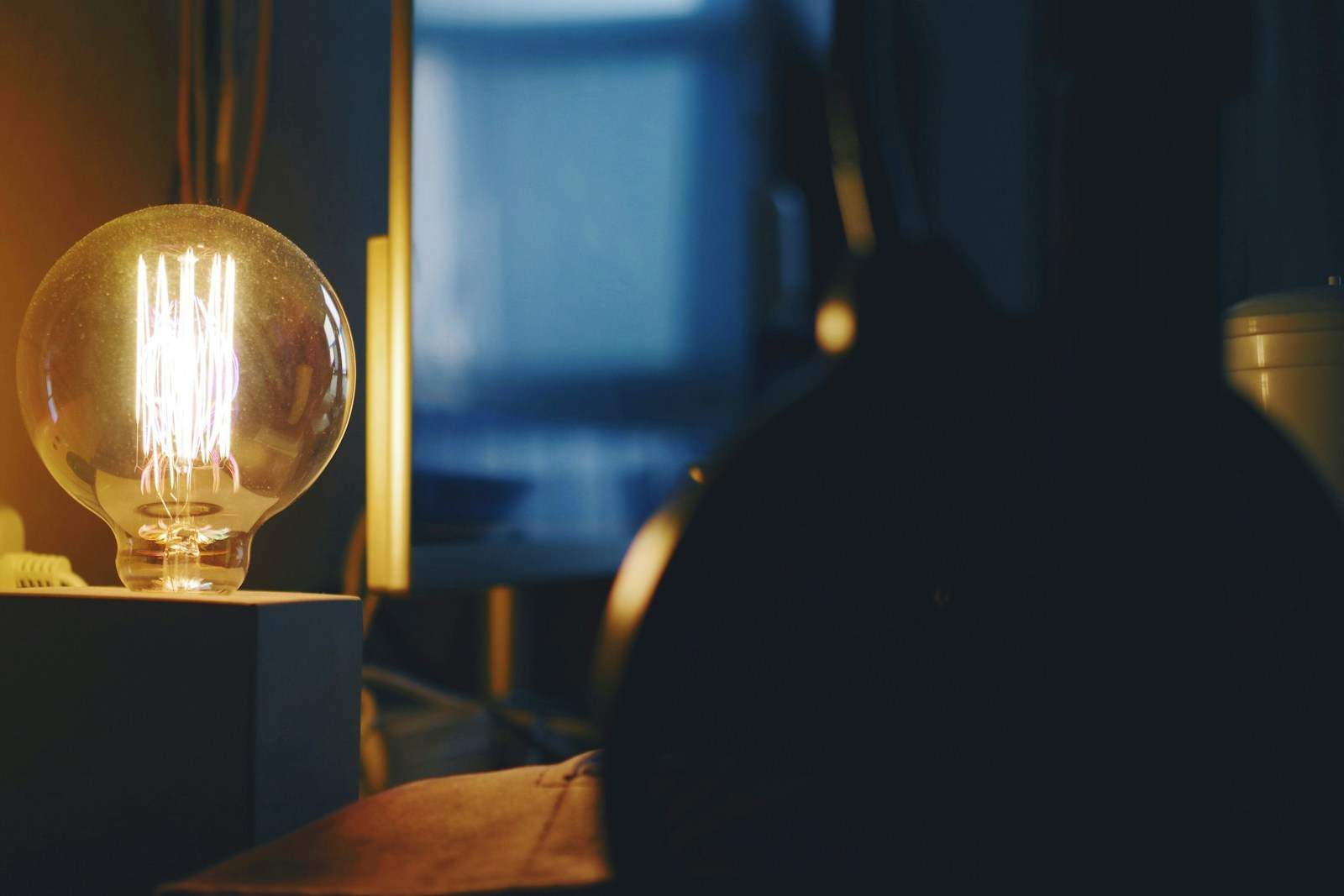
Switching to LED bulbs is one of the easiest energy‑saving home upgrades. LEDs use far less electricity than traditional incandescent bulbs and last much longer. Beyond bulbs, consider smart lighting systems that allow you to control brightness and timing. Automated schedules ensure lights are off when not needed, further reducing energy bills.
Install a Programmable Thermostat
Heating and cooling account for a large portion of household energy use. A programmable thermostat allows you to set schedules that match your lifestyle. For example, lowering the temperature while you sleep or when you are away prevents wasted energy. Smart thermostats go further by learning your habits and adjusting automatically. This upgrade often pays for itself within a year through reduced utility costs.
Improve Appliances
Older appliances consume more electricity and water than modern models. Upgrading to energy‑efficient refrigerators, washing machines, and dishwashers reduces consumption significantly. Look for appliances with Energy Star certification, which indicates they meet strict efficiency standards. While the upfront cost may be higher, the savings on monthly bills make these upgrades worthwhile.
Consider Solar Panels
Solar panels are a larger investment, but they can dramatically reduce reliance on grid electricity. By generating your own power, you lower monthly bills and may even earn credits through net metering programs. Solar technology has become more affordable, and many regions offer incentives or tax breaks to encourage adoption. Over time, solar panels can pay off by providing clean, renewable energy directly to your home.
Upgrade Water Heating
Water heating is another area where energy bill saving methods make a difference. Traditional water heaters keep large tanks of water hot at all times, which wastes energy. Tankless water heaters heat water only when needed, reducing consumption. Insulating your water heater and pipes also helps retain heat, lowering costs further.
Use Energy‑Efficient Roofing
Roofing materials can influence how much heat your home absorbs. Reflective or “cool” roofs reduce heat gain, keeping interiors cooler during hot months. This reduces the need for air conditioning and lowers energy bills. Metal roofing and certain shingles are designed to reflect sunlight, making them practical upgrades in warmer climates.
Add Smart Power Strips
Electronics continue to draw power even when turned off. Smart power strips cut off electricity to devices that are not in use, preventing “phantom load” consumption. This simple upgrade is inexpensive but effective, especially in homes with multiple electronics.
Maintain HVAC Systems
Regular maintenance of heating, ventilation, and air conditioning systems ensures they run efficiently. Changing filters, cleaning ducts, and scheduling professional inspections prevent energy waste. An efficient system uses less power to maintain comfort, which directly lowers bills.
Real Examples of Savings
A family that upgraded insulation and installed a programmable thermostat saw heating costs drop by 20 percent in the first year. Another household replaced old appliances with Energy Star models and reduced electricity use by nearly 30 percent. A homeowner who invested in solar panels cut monthly bills in half and began earning credits from excess energy production. These examples show how energy‑saving home upgrades pay off in real, measurable ways.
Mistakes to Avoid
When planning upgrades, avoid focusing only on high‑cost projects without addressing basics. For example, installing solar panels without sealing drafts or improving insulation may reduce potential savings. Another mistake is ignoring maintenance; even efficient systems waste energy if neglected. Finally, avoid buying appliances without checking efficiency ratings, as not all new models are designed to save energy.
Energy‑saving home upgrades do more than reduce bills. They increase property value, improve comfort, and lower environmental impact. Buyers often look for homes with efficient systems, making upgrades a smart investment. Over time, these improvements create stability by reducing exposure to rising energy costs.
Finding energy bill saving methods that work for your household requires a mix of small changes and larger investments. From sealing windows to installing solar panels, each upgrade contributes to lower costs and greater comfort. The payoff comes not only in reduced monthly bills but also in long‑term value and sustainability. By making thoughtful choices, you can enjoy a home that is efficient, affordable, and future‑ready.



Leave a Reply