

Health insurance is one of the most important financial decisions individuals and families make. For many, the choice comes down to employer health benefits versus private insurance. Each option has strengths and weaknesses, and the right choice depends on personal circumstances. By examining case studies, we can see how these plans work in practice and which situations favor one over the other.
Why Compare Employer and Private Insurance
Employer health benefits are often subsidized, meaning companies cover part of the premium. This makes them attractive for employees. Private insurance, on the other hand, offers flexibility and independence, especially for freelancers, entrepreneurs, or those without employer coverage. Comparing both options helps identify which provides better value, coverage, and peace of mind.
Case Study 1: The Young Professional
Profile: A 28‑year‑old software engineer working at a mid‑sized company.
- Employer Plan: The company offers a group health plan with a monthly premium of $150, while the employer covers $300. The plan includes preventive care, basic dental, and vision coverage. Out‑of‑pocket maximum is $5,000.
- Private Plan: A comparable private plan costs $450 per month with similar coverage. Out‑of‑pocket maximum is $6,000.
Outcome: The employer plan is clearly more affordable. The subsidy makes a significant difference, and the coverage is adequate for a young professional with minimal health needs.
Lesson: Employer health benefits often provide better value for younger employees who do not require specialized coverage.
Case Study 2: The Freelancer
Profile: A 35‑year‑old freelance graphic designer with no employer coverage.
- Employer Plan: Not available.
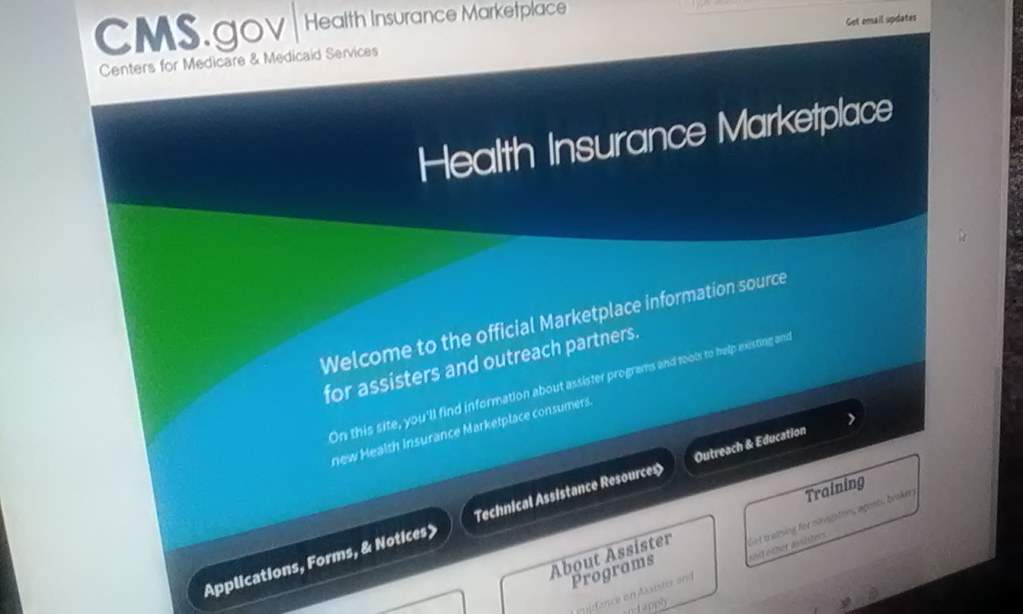
- Private Plan: A marketplace plan costs $400 per month. It covers preventive care, prescriptions, and emergency services. Deductible is $2,500, with an out‑of‑pocket maximum of $7,500.
Outcome: Private insurance is the only option. While premiums are higher compared to employer‑subsidized plans, tax credits through the ACA Marketplace reduce monthly costs to $280.
Lesson: Private insurance provides independence and flexibility, especially for self‑employed individuals. Subsidies can make coverage more affordable.
Case Study 3: The Family of Four
Profile: A 40‑year‑old parent with a spouse and two children.
- Employer Plan: Family coverage costs $600 per month, with the employer contributing $800. The plan includes pediatric care, maternity coverage, and preventive services. Out‑of‑pocket maximum is $10,000.
- Private Plan: A similar private plan costs $1,200 per month. Out‑of‑pocket maximum is $12,000.
Outcome: The employer plan offers significant savings. The employer contribution reduces costs by half compared to private insurance.
Lesson: Employer health benefits are often more cost‑effective for families, especially when employers contribute generously to premiums.
Case Study 4: The Entrepreneur
Profile: A 45‑year‑old small business owner with two employees.
- Employer Plan: As the employer, they can offer group coverage. Premiums are $500 per employee, with the business covering 50 percent.
- Private Plan: For the owner alone, a private plan costs $550 per month.
Outcome: Offering employer coverage helps attract and retain employees but increases business expenses. For the owner, private insurance is slightly more expensive but provides flexibility.
Lesson: Entrepreneurs must balance costs with employee satisfaction. Employer plans can be a strategic investment in workforce stability.
Case Study 5: The Retiree
Profile: A 62‑year‑old retiree not yet eligible for Medicare.
- Employer Plan: Retiree coverage is offered at $700 per month, with limited employer subsidy.
- Private Plan: Marketplace plan costs $650 per month, with subsidies reducing it to $400.
Outcome: Private insurance is more affordable due to subsidies. Employer retiree coverage is less competitive.
Lesson: For retirees, private insurance through the ACA Marketplace often provides better value until Medicare eligibility.
Practical Tips for Choosing
- Evaluate employer contributions: If your company covers a large portion of premiums, employer plans are usually better.
- Consider independence: If you value flexibility or are self‑employed, private insurance may be preferable.
- Check subsidies: Marketplace subsidies can make private insurance affordable.
- Review coverage needs: Families often benefit more from employer plans, while individuals may find private plans sufficient.
- Plan for transitions: If you expect job changes, private insurance ensures continuity.
Mistakes to Avoid
- Choosing based only on premiums without considering deductibles and out‑of‑pocket costs.
- Ignoring provider networks, which may limit access to preferred doctors.
- Overlooking subsidies that reduce private insurance costs.
- Assuming employer coverage is always better without reviewing details.
Employer health benefits provide stability and affordability for many workers, while private insurance offers independence and flexibility. Both options can be career boosting in different ways: employer coverage enhances job satisfaction, while private insurance empowers freelancers and entrepreneurs. Understanding the trade‑offs ensures you make informed decisions that protect both health and finances.
Employer health benefits and private insurance each have advantages. Case studies show that employer plans often provide better value for employees and families, while private insurance is essential for freelancers, entrepreneurs, and retirees. These employer vs private insurance insights highlight that the right plan depends on personal circumstances, but both paths can lead to secure, affordable healthcare.


Leave a Reply