
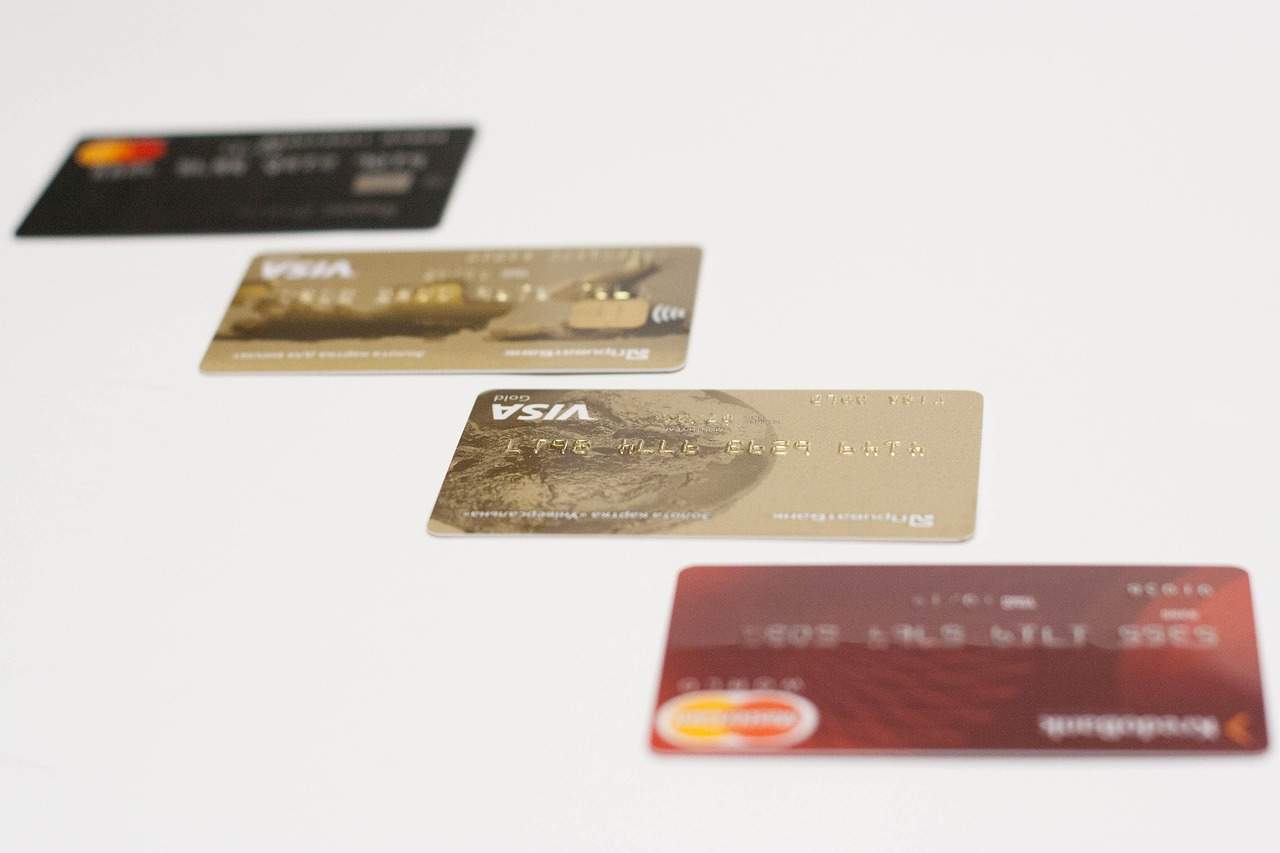
Credit utilization is one of the most misunderstood aspects of personal finance. It refers to the percentage of your available credit that you are currently using, and it plays a significant role in determining your credit score. Despite its importance, many myths continue to circulate, leading people to make decisions that actually harm their financial health. By debunking these misconceptions, you can better understand how to manage your credit responsibly and improve your overall financial standing.
Myth 1: Carrying a Balance Helps Your Credit Score
One of the most common credit score myths is the belief that carrying a balance from month to month boosts your score. In reality, carrying a balance adds unnecessary interest charges and can hurt your score if your utilization ratio becomes too high. Paying off your balance in full each month shows lenders that you can manage credit responsibly, and it avoids costly interest.
Myth 2: Paying Off Your Balance in Full Hurts Your Score
Some people worry that paying off their balance completely will negatively impact their credit score. This is false. Paying in full demonstrates financial discipline and keeps your utilization ratio low. Lenders prefer borrowers who can manage debt without relying on minimum payments.
Myth 3: Credit Utilization Only Matters on One Card
Another misconception is that utilization is calculated per card. In truth, credit utilization is measured across all your credit lines combined. Even if one card is maxed out, keeping overall utilization low can help protect your score. However, high utilization on a single card may still raise concerns with lenders, so balance management across accounts is important.
Myth 4: You Need to Carry a Balance to Build Credit
Carrying a balance is not necessary to build credit. What matters is using credit responsibly and making payments on time. Even small purchases paid off monthly show activity on your account, which helps establish a positive history.
Myth 5: Credit Utilization Has No Impact on Creditworthiness
Some believe utilization does not affect creditworthiness. In reality, it is one of the most influential factors in your score. High utilization signals risk to lenders, while low utilization shows you are not overextended. Keeping utilization below 30 percent is often recommended, though lower is better.
Myth 6: Maxing Out Your Credit Limit Every Month Is Fine
Using your full credit limit regularly can harm your score, even if you pay it off later. Lenders view maxed‑out cards as a sign of financial strain. Consistently high utilization suggests you rely too heavily on credit, which increases perceived risk.
Myth 7: High Credit Limits Lead to Debt
Some assume that having a high credit limit automatically leads to debt. The truth is that a higher limit can actually help your utilization ratio if you keep balances low. For example, a $500 balance on a $5,000 limit results in a 10 percent utilization, which is favorable. The key is discipline, not the size of the limit.
Myth 8: Closing Old Accounts Improves Your Score
Closing old accounts may seem like a way to simplify finances, but it can hurt your score. Doing so reduces your available credit, which increases utilization. It also shortens your credit history, another factor in scoring. Keeping old accounts open, even with minimal use, can benefit your profile.
Myth 9: Utilization Only Matters When Applying for Loans
Credit utilization affects your score continuously, not just during loan applications. Lenders, insurers, and even employers may check your credit at any time. Maintaining healthy utilization consistently ensures you are prepared whenever your report is reviewed.
Practical Tips for Managing Utilization
Debunking myths is helpful, but applying practical strategies makes the difference. Here are proven energy‑saving methods for your credit health:
- Pay balances in full: Avoid interest and keep utilization low.
- Spread purchases across cards: Prevent one card from appearing maxed out.
- Request credit limit increases: A higher limit lowers your utilization ratio if balances remain steady.
- Avoid unnecessary account closures: Keep old accounts open to preserve history and available credit.
- Monitor reports regularly: Spot errors or unusual activity that may affect utilization.
Real‑World Example
Consider someone with two credit cards: one with a $1,000 limit and another with a $4,000 limit. If they carry a $900 balance on the first card and nothing on the second, their utilization is 18 percent overall. However, lenders may still worry about the nearly maxed‑out first card. By spreading purchases across both cards, they reduce risk perception and maintain a healthier profile.
Mistakes to Avoid
Managing utilization requires awareness. Avoid these pitfalls:
- Ignoring balances until they accumulate.
- Assuming paying the minimum is enough.
- Believing utilization only matters occasionally.
- Closing accounts without considering impact.
Avoiding these mistakes keeps your score stable and prevents unnecessary financial stress.
Understanding credit utilization and debunking myths helps you build a stronger financial foundation. Low utilization improves your score, reduces borrowing costs, and increases access to better credit products. Over time, these habits create stability and open doors to opportunities such as mortgages, business loans, or favorable insurance rates.
Credit utilization is a powerful factor in your financial life, but myths often lead people astray. Carrying a balance does not help, paying in full is beneficial, and utilization matters across all accounts. By applying medical bill negotiation tips to healthcare costs and energy bill saving methods to household expenses, you protect your finances. Similarly, by applying accurate knowledge to credit utilization, you safeguard your credit score. Managing utilization wisely ensures you are judged fairly and gives you confidence in every financial decision.




Leave a Reply