
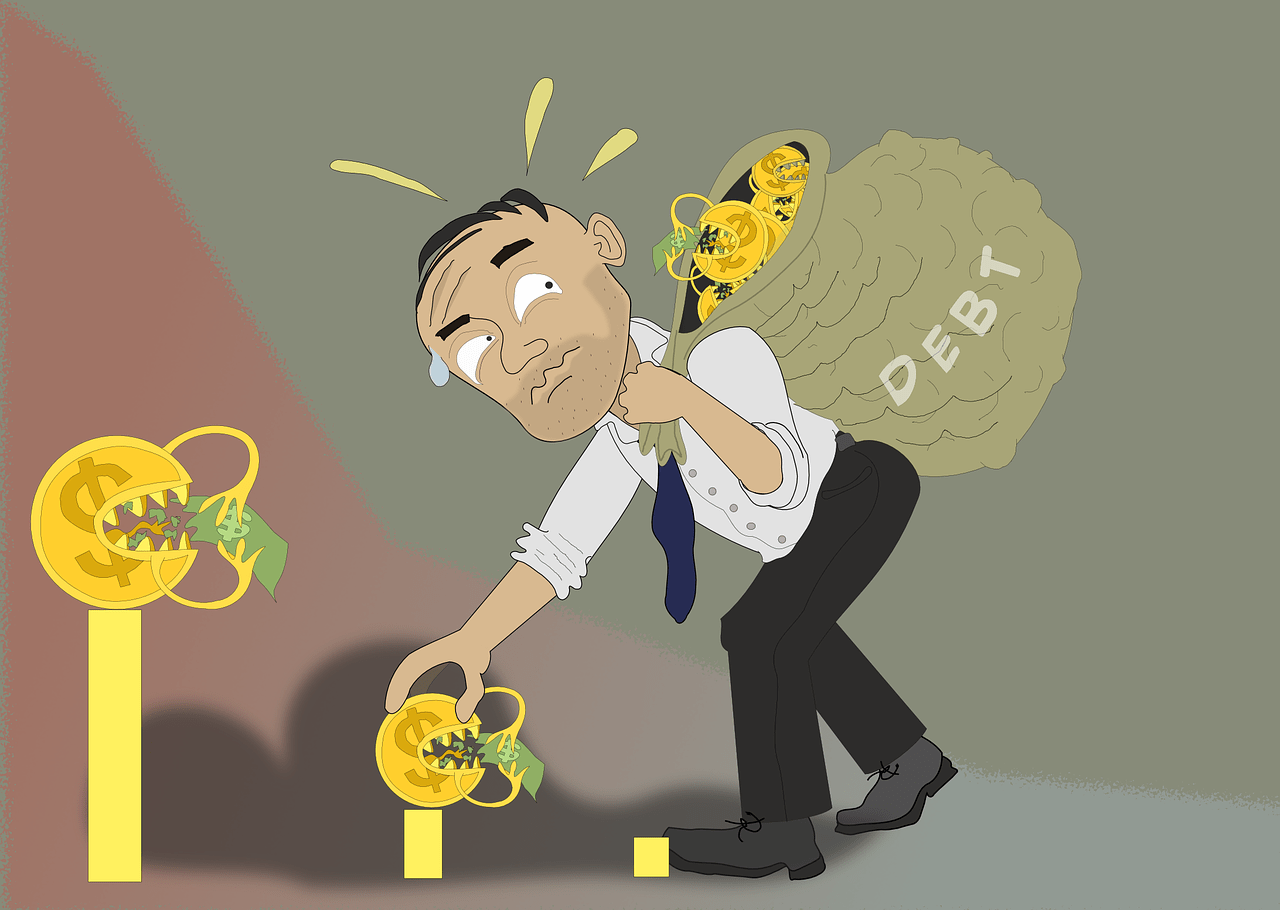
Paying off debt can feel overwhelming when balances pile up across multiple accounts. Two of the most popular debt repayment strategies are the Debt Snowball and the Debt Avalanche. Both methods aim to help you eliminate debt, but they differ in approach. Understanding how each works, and which may be faster for your situation, can make the journey to financial freedom more manageable.
What Is the Debt Snowball Method
The Debt Snowball strategy focuses on building momentum through small wins. You list all your debts from smallest balance to largest, regardless of interest rate. You pay the minimum on all debts except the smallest one, which you attack aggressively with any extra cash.
Once the smallest debt is paid off, you roll that payment into the next smallest debt. Over time, your payments “snowball,” growing larger as each balance disappears. The main advantage is psychological: seeing debts vanish quickly keeps you motivated and committed to the process.
What Is the Debt Avalanche Method
The Debt Avalanche strategy prioritizes efficiency. You list debts by interest rate, from highest to lowest. You pay the minimum on all debts except the one with the highest interest rate, which you target with extra payments.
By eliminating high‑interest debt first, you reduce the total amount of interest paid over time. This method often saves more money and can be faster overall, though it may take longer to see the first debt disappear compared to the snowball method.
Comparing the Two Approaches
| Feature | Debt Snowball | Debt Avalanche |
|---|---|---|
| Focus | Smallest balance first | Highest interest rate first |
| Motivation | Quick wins, psychological boost | Long‑term savings, financial efficiency |
| Speed | Faster visible progress | Faster financial payoff |
| Best For | People who need motivation | People focused on minimizing costs |
Both strategies are effective, but the choice depends on your personality and financial goals.
Which Works Faster
In terms of saving money and paying off debt overall, the Debt Avalanche usually works faster because it tackles high‑interest balances first. This reduces the amount of interest you pay, which accelerates repayment. However, the Debt Snowball often feels faster because you see results quickly as smaller debts disappear.
For example, if you have three debts: $500 at 18 percent interest, $1,500 at 12 percent interest, and $3,000 at 6 percent interest, the avalanche method would target the $500 debt first because of its high interest rate. The snowball method would also target the $500 debt first because it is the smallest balance, but if the smallest debt had a lower interest rate, the two methods would diverge. Over time, the avalanche saves more money, but the snowball may keep you motivated longer.
Practical Tips for Success
No matter which method you choose, certain practices improve results:
- Make consistent payments: Stick to your plan and avoid skipping.
- Automate payments: Prevent late fees and maintain progress.
- Cut unnecessary expenses: Free up cash to accelerate repayment.
- Track progress visually: Use charts or apps to see balances drop.
- Celebrate milestones: Reward yourself when debts are eliminated.
These debt repayment strategies work best when combined with discipline and a clear plan.
Real‑World Example
Imagine someone with four debts: $400 on a store card at 20 percent interest, $1,200 on a personal loan at 10 percent, $2,500 on a car loan at 7 percent, and $5,000 on a credit card at 15 percent.
- Using the Debt Snowball, they would pay off the $400 store card first, then move to the $1,200 loan, then the $2,500 car loan, and finally the $5,000 credit card. The quick win of eliminating the store card provides motivation.
- Using the Debt Avalanche, they would target the $400 store card first because of its high interest, then the $5,000 credit card, followed by the $1,200 loan, and finally the $2,500 car loan. This saves more money in interest over time.
Both approaches lead to debt freedom, but the experience feels different.
Mistakes to Avoid
- Switching methods too often, which disrupts progress.
- Ignoring interest rates completely, which can cost more in the long run.
- Failing to budget for emergencies, which may force you back into debt.
- Celebrating too early and taking on new debt before finishing repayment.
Avoiding these mistakes keeps your strategy effective and sustainable.
Choosing a debt repayment strategy is about more than eliminating balances. It builds financial discipline, improves credit scores, and reduces stress. Once debts are gone, the money you used for repayment can be redirected toward savings, investments, or other goals. Whether you choose the snowball or avalanche, the long‑term benefit is financial freedom.
Debt Snowball and Debt Avalanche are both proven debt repayment strategies. The snowball method works faster in terms of visible progress, while the avalanche method works faster in terms of saving money and reducing interest. The best choice depends on whether you value motivation or efficiency more.




Leave a Reply