
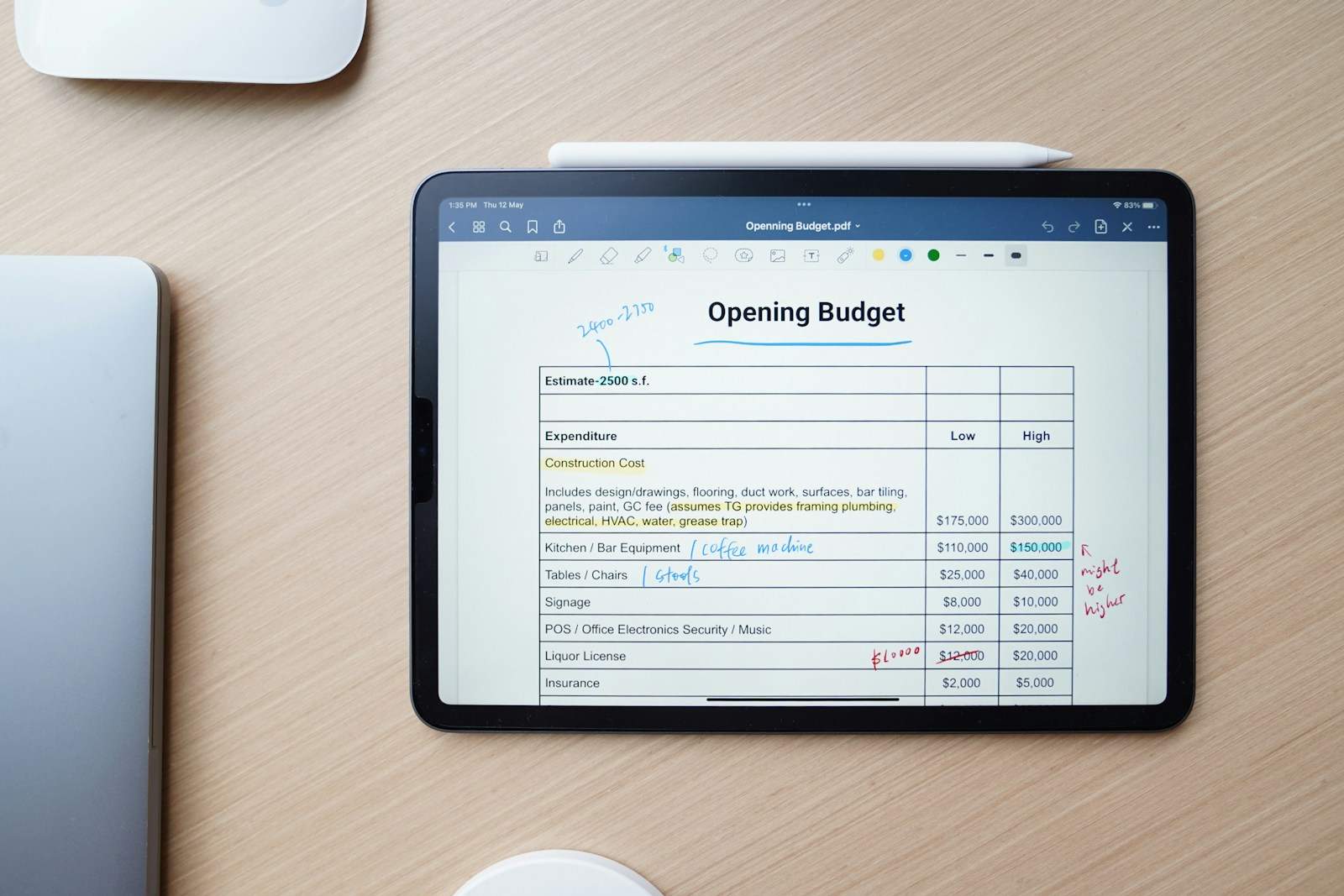
Managing money has never been easier thanks to the rise of budgeting apps. These tools help track spending, set savings goals, and provide insights into financial habits. For anyone looking to stay ahead of expenses, monthly budgeting app reviews can highlight which platforms offer the best features, usability, and long‑term value.
Traditional spreadsheets and notebooks can work, but they require constant manual updates. Budgeting apps automate much of the process, syncing with bank accounts and credit cards to provide real‑time data. They categorize expenses, alert you to overspending, and even suggest ways to save. By using these apps, you gain visibility into your finances and reduce the risk of falling behind on bills.
Key Features to Look For
When evaluating monthly budgeting apps, consider these essential features:
- Expense tracking: Automatic categorization of transactions.
- Goal setting: Tools to save for vacations, emergency funds, or debt repayment.
- Bill reminders: Alerts to prevent missed payments.
- Reporting: Charts and summaries that show spending patterns.
- Security: Strong encryption and privacy protections.
Apps that combine these features provide a comprehensive view of your financial health.
Popular Budgeting Apps Reviewed
Mint
Mint is one of the most widely used budgeting apps. It connects to your accounts, tracks spending, and provides personalized tips. Users appreciate its clean interface and automatic categorization. Mint also offers free credit score monitoring, which adds value beyond budgeting.
YNAB (You Need A Budget)
YNAB focuses on proactive budgeting. Instead of tracking past spending, it encourages you to assign every dollar a job before you spend it. This method helps prevent overspending and builds savings discipline. While YNAB requires a subscription fee, many users find the structured approach worth the investment.
PocketGuard
PocketGuard simplifies budgeting by showing how much disposable income you have after bills and necessities. Its “In My Pocket” feature highlights what is safe to spend, making it ideal for people who want quick insights without complex charts.
Goodbudget
Goodbudget uses the envelope system in digital form. You allocate money into virtual envelopes for categories like groceries, rent, or entertainment. Once an envelope is empty, you stop spending in that category. This app is great for people who prefer a hands‑on approach to budgeting.
EveryDollar
Created by financial expert Dave Ramsey, EveryDollar emphasizes zero‑based budgeting. Like YNAB, it requires you to plan where each dollar goes. The app offers both free and paid versions, with the paid version allowing account syncing.
Comparing Strengths
| App | Best For | Cost | Key Feature |
|---|---|---|---|
| Mint | Beginners | Free | Automatic tracking and credit score monitoring |
| YNAB | Structured planners | Paid | Assign every dollar a job |
| PocketGuard | Quick insights | Free/Paid | “In My Pocket” disposable income view |
| Goodbudget | Envelope budgeting fans | Free/Paid | Digital envelope system |
| EveryDollar | Zero‑based budgeting | Free/Paid | Simple planning with Ramsey’s method |
Each app has unique strengths, so the best choice depends on your financial style.
Step‑by‑Step Tips for Choosing an App
- Assess your goals: Decide if you want to track spending, save for goals, or manage debt.
- Test free versions: Many apps offer free trials or basic versions. Try them before committing.
- Check compatibility: Ensure the app works with your bank accounts and devices.
- Evaluate usability: Choose an app with an interface you find intuitive.
- Consider cost: Paid apps may offer advanced features, but free apps can be sufficient for many users.
Real‑World Examples
A college student might use Mint to track daily expenses and monitor credit. A family saving for a vacation could use Goodbudget to allocate funds into a travel envelope. A professional focused on debt repayment might prefer YNAB or EveryDollar to assign every dollar toward bills and savings. PocketGuard works well for someone who wants quick insights into how much they can safely spend each week.
Mistakes to Avoid
- Ignoring app alerts: Notifications about overspending are valuable.
- Failing to update goals: Adjust savings targets as your situation changes.
- Relying on one app without reviewing results: Check reports regularly to stay accountable.
- Choosing based only on popularity: The most popular app may not fit your personal style.
Budgeting apps do more than track expenses. They build financial awareness, reduce stress, and help you plan for the future. Over time, consistent use can lead to stronger savings habits, reduced debt, and greater confidence in managing money. Monthly budgeting app reviews highlight which tools deliver these benefits most effectively, guiding you toward the right choice.
Budgeting apps are powerful tools for staying ahead of expenses. Whether you prefer the structured approach of YNAB, the simplicity of PocketGuard, or the envelope system of Goodbudget, there is an app that fits your lifestyle.


Leave a Reply